
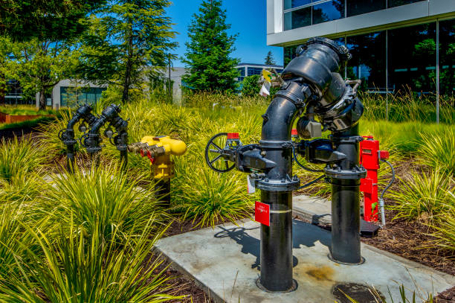
Most of the time, your backflow preventer sits outside in the yard, quietly doing its job while you barely notice it. It is there when you water the lawn, wash the car, or run the sprinklers on a hot Santee afternoon, and most days you probably walk right past it. Then a test notice from the water district shows up, or you spot a small leak, and suddenly that metal assembly becomes one more thing on your to do list.
If that sounds familiar, you are not alone. Many Santee homeowners only think about backflow prevention once a year, or when something looks obviously wrong. The reality is that your backflow assembly works every single day, and it sits out in Santee’s sun, wind, and occasional cold nights all year long. Different seasons put different stresses on the device, which can shorten its life and lead to surprise failures if no one is paying attention.
Since 2004, we at Backflow Services have focused our entire business on backflow prevention assemblies in Santee and throughout San Diego County. Our factory trained, certified technicians test, repair, and replace these devices on homes, schools, hospitals, and military facilities across the region. In this guide, we share the seasonal backflow maintenance tips we actually use in the field, so you can protect your water, avoid emergencies, and know exactly when it is time to call us for backflow maintenance in Santee.
How Your Backflow Assembly Protects Your Santee Home All Year
A backflow prevention assembly keeps water from flowing backward in your plumbing, protecting your home from contaminants. Under normal conditions, water flows from the public main into your home. Pressure drops—caused by events like broken water mains, fire hydrant use, or high neighborhood demand—can reverse flow, pulling in water from irrigation lines, hoses, or other connections along with dirt, fertilizers, or other contaminants.
Most Santee homes have backflow assemblies on irrigation lines near sidewalks or side yards. Some properties also have them on fire sprinkler lines or the main domestic water service. Key components include:
- Two shutoff valves
- A body housing internal check valves
- Test cocks for gauges
- Optional relief valve to discharge water under unsafe pressure
Inside, check valves open to allow water into your system and close if flow reverses. Relief valves discharge excess pressure when needed. Springs, seals, and precisely machined surfaces make the assembly function correctly. Regular seasonal checks help catch issues before your annual test.
Spring: Restart Irrigation & Catch Winter Damage Early
Spring is when irrigation resumes after lighter winter use, making minor winter damage visible. Check your backflow assembly for:
- Leaks around shutoff valves, body, or relief valve
- Hissing or chattering after startup
- Leaning assembly or eroded ground
Even a mild winter or short freeze can stress brass, PVC, or plastic fittings. Early spring checks and professional inspection with calibrated gauges can prevent surprise failures during your annual test.
Summer: Protect Your Backflow From Heat, Sun & Heavy Irrigation
Hot, dry Santee summers put assemblies under stress from sunlight and constant pressure cycling. Inspect your device for:
- Cracked, brittle, or faded covers
- Worn insulation or waterlogged foam
- Signs of internal wear affecting check valve performance
Cover exposed assemblies with purpose-built insulated covers to protect from UV and heat. Combined with professional testing, this prevents leaks or emergency failures during peak irrigation season.
Fall: Clear Debris & Prepare for Cooler Nights
Autumn brings falling leaves, mulch, and early storms that can trap debris and moisture around the assembly. Maintain proper function by:
- Clearing at least 1 foot of debris around the assembly
- Ensuring the device sits above grade
- Cleaning and draining any enclosure
Fall is also a good time to schedule your annual backflow test, giving time to address minor corrosion, stiff valves, or other issues before winter.
Winter: Simple Protection Against Rare But Costly Freezes
Even mild Santee winters can cause freeze damage after a few cold nights. Protect your assembly by:
- Shutting off and draining irrigation lines if unused
- Using an insulated backflow cover (not plastic bags)
- Checking for leaks after freezes and calling a professional if necessary
Exposed assemblies may crack during unusual cold spells. Professional repairs or replacements ensure your system meets manufacturer and industry standards
Homeowner Visual Checks vs. Certified Backflow Testing
Many Santee homeowners want to do their part to maintain their plumbing but are not sure where the line is between a simple check and specialized work. For backflow assemblies, a good rule of thumb is that you can observe and keep the area clear, but you should not open or adjust the device itself. Visual inspections are valuable, and they help us when we arrive to test or repair the assembly.
Safe homeowner tasks include looking for obvious leaks, rust stains, or mineral buildup on fittings and joints. You can make sure shutoff valves are accessible and not buried in plants or soil, and that protective covers are intact and properly fitted. You can also pay attention to pressure inside the house and yard. Sudden changes in water pressure, combined with visible leakage at the assembly, may indicate a problem that needs attention.
Official backflow testing, on the other hand, is a technical procedure that requires certified technicians and calibrated equipment. We connect a special test gauge to the small test cocks on your assembly, then use a series of steps to measure the differential pressure across each internal check valve and, on certain devices, the opening point of the relief valve. These readings show whether the assembly is providing the level of protection required by local codes and water authorities.
Because Backflow Services focuses only on backflow plumbing and our technicians are factory trained by leading manufacturers, we follow the procedures and specifications those manufacturers require. We also maintain our test gauges to ensure they are properly calibrated, since even small inaccuracies can lead to incorrect conclusions about whether a device passes or fails. Attempting to adjust springs or replace internal parts without training can create cross connection risks, affect warranties, and result in failed tests, which is why we recommend leaving internal work and official testing to certified professionals.
How Seasonal Maintenance Fits With Santee Testing Requirements
Most Santee homeowners with backflow assemblies receive regular test notices from their water provider or local authority. The timing can vary, but the message is the same. The assembly must be tested on a set schedule to document that it is still doing its job. Many people put that notice on the fridge, then wait until the deadline approaches before arranging a test, which can lead to a scramble to find an available tester.
A seasonal maintenance routine fits neatly around these regular requirements. For example, you might schedule your professional backflow test in late summer or mid fall, then use the spring and winter tips in this guide for quick visual checks. By the time your notice arrives, you already know the device is accessible, the cover is sound, and there are no obvious leaks or damage. This approach reduces the chance of last minute surprises and gives you time to plan for any needed repairs.
Because Backflow Services has been working on backflow assemblies throughout Santee, San Diego County, and Imperial County since 2004, we are very familiar with how local testing cycles play out in real life. General plumbing contractors across the region often subcontract their customers’ backflow testing and repairs to us. That means we spend every season of the year performing tests, documenting results for water districts, and helping property owners stay in compliance without having to juggle everything on their own.
When To Call Backflow Services for Backflow Maintenance in Santee
Seasonal backflow maintenance does not require hours of your time, but it does work best when you know when to bring in a professional. If you see persistent drips around your assembly, notice corrosion that is getting worse, find that your cover is missing or badly damaged, or realize the device is now half buried in landscaping, those are all good reasons to call. Sudden spraying, pooling water near the device, or a test notice you have been putting off are also clear signals.
When you contact Backflow Services, we start with a free estimate so you understand potential costs before any work begins. A typical visit includes an on site inspection, certified testing with calibrated gauges, and a clear explanation of the results. If repairs or replacement are needed, we walk you through the options, the manufacturer’s recommendations, and how each choice affects long term reliability. Because our company is built entirely around backflow prevention, our processes, equipment, and training all support thorough, code compliant work that fits into your broader home maintenance routine.
With a simple seasonal checklist and a reliable backflow testing partner, your assembly can move from unknown box in the yard to a predictable part of caring for your home’s water. If you are ready to set up testing, address a leak, or plan ahead for the next season, we are ready to talk with you about the best next steps for your property.